

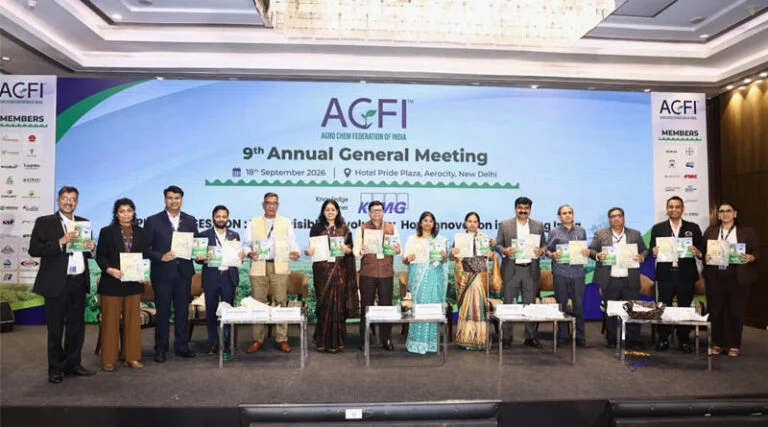
नई दिल्ली में आयोजित Agro Chem Federation of India (ACFI) की 9वीं Annual General Meeting में देश के Agrochemical और Crop Protection Industry से जुड़े महत्वपूर्ण मुद्दों पर चर्चा हुई। बैठक के दौरान ACFI ने भारत में Agrochemical Technicals और Intermediates के घरेलू उत्पादन को बढ़ावा देने तथा चीन पर उद्योग की निर्भरता कम करने के लिए केंद्र सरकार से ₹5,000–7,000 करोड़ के Dedicated Support Programme की मांग रखी है। Federation के अनुसार प्रस्तावित कार्यक्रम को 7 से 8 वर्षों की अवधि में लागू किया जा सकता है, जिसमें शुरुआती 2 से 3 वर्ष Plant Commissioning के लिए निर्धारित किए जा सकते हैं।
18 सितंबर 2026 को नई दिल्ली के Hotel Pride Plaza, Aerocity में आयोजित ACFI की 9वीं Annual General Meeting में उद्योग जगत के कई प्रमुख प्रतिनिधियों और विशेषज्ञों ने हिस्सा लिया। इसी अवसर पर ACFI ने consultancy firm KPMG के सहयोग से तैयार एक Knowledge Paper भी जारी किया, जिसमें भारत के Crop Protection Manufacturing Ecosystem को अधिक competitive, resilient और self-reliant बनाने के लिए कई policy recommendations प्रस्तुत की गई हैं।
Technical और Intermediate Manufacturing में आत्मनिर्भरता पर फोकस
भारत आज दुनिया के प्रमुख Crop Protection Product producers और exporters में शामिल है। देश से Agrochemical Technicals और Formulated Products का निर्यात कई international markets में किया जाता है। इसके बावजूद Domestic Industry के सामने एक महत्वपूर्ण चुनौती यह है कि कई महत्वपूर्ण Technical Grade Active Ingredients और Chemical Intermediates के लिए भारत अभी भी बड़े पैमाने पर चीन से होने वाली supply पर निर्भर है।
ACFI का कहना है कि इस dependence का असर Indian manufacturers की overall cost competitiveness पर पड़ता है। Chinese manufacturers को बड़े production scale, comparatively lower power costs और established chemical parks जैसी सुविधाओं का लाभ मिलता है। ऐसे में भारतीय कंपनियों के लिए global market में price competition को बनाए रखना चुनौतीपूर्ण हो सकता है।
इसी पृष्ठभूमि में ACFI ने Government Support Programme का प्रस्ताव रखा है। Federation के अनुसार यह किसी permanent subsidy के रूप में नहीं बल्कि एक targeted support mechanism के रूप में होना चाहिए, जिससे domestic manufacturing capacity विकसित हो, नए plants स्थापित हों और भारत में Agrochemical Value Chain के महत्वपूर्ण हिस्सों का localization किया जा सके।
ACFI Chairman Rahul Dhanuka ने कहा कि भारत में Crop Protection Industry के अगले growth phase को ecosystem competitiveness मजबूत करने, innovation के commercialization में तेजी लाने, supply chain resilience बढ़ाने और structural cost disadvantages कम करने पर आधारित होना चाहिए।
₹5,000–7,000 करोड़ के Support Programme का प्रस्ताव
ACFI-KPMG Knowledge Paper में Government के सामने लगभग ₹5,000–7,000 करोड़ के dedicated support programme की recommendation रखी गई है। यह programme 7 से 8 वर्षों की अवधि के लिए हो सकता है। प्रस्ताव के अनुसार Plant Commissioning के लिए शुरुआती 2 से 3 वर्षों को विशेष रूप से ध्यान में रखा जाना चाहिए।
इसका उद्देश्य केवल existing manufacturing capacity को support करना नहीं है, बल्कि भारत में एक मजबूत Agrochemical Manufacturing Ecosystem तैयार करना है। इसके तहत Technicals और Intermediates के Domestic Production को बढ़ाने के साथ-साथ infrastructure, R&D, utilities और regulatory processes को भी अधिक efficient बनाने पर जोर दिया गया है।
ACFI के अनुसार यदि targeted policy support के माध्यम से domestic manufacturing को scale मिलता है, तो इससे आने वाले वर्षों में supply chain resilience मजबूत हो सकती है और international market में भारतीय कंपनियों की competitiveness को भी support मिल सकता है।
Incremental Sales पर 5 से 8 प्रतिशत Incentive की मांग
Industry body ने Domestic Technical और Intermediate Manufacturers के लिए incremental sales पर 5 से 8 प्रतिशत incentive की recommendation की है। इसका उद्देश्य कंपनियों को production और capacity expansion के लिए प्रोत्साहित करना है।
Incremental sales आधारित incentive model का प्रस्ताव इसलिए महत्वपूर्ण है क्योंकि इससे support को additional business activity और manufacturing growth से जोड़ा जा सकता है। Industry के अनुसार इस तरह का mechanism companies को नई capacity स्थापित करने, existing facilities का expansion करने और domestic production बढ़ाने के लिए प्रेरित कर सकता है।
हालांकि, यह ध्यान रखना महत्वपूर्ण है कि ACFI की ये recommendations अभी Government Policy नहीं हैं। इन्हें industry proposal के रूप में Government के विचारार्थ प्रस्तुत किया गया है। किसी भी scheme का वास्तविक रूप, budgetary allocation और implementation mechanism सरकार के policy decisions पर निर्भर करेगा।
Electricity Cost और Common Effluent Treatment Plants पर सहायता
Agrochemical Manufacturing एक energy-intensive और compliance-sensitive sector है। इसलिए ACFI ने industrial electricity costs तथा Common Effluent Treatment Plants (CETPs) से जुड़े खर्च को भी policy support के दायरे में शामिल करने की मांग की है।
Proposal में industrial electricity costs और shared Common Effluent Treatment Plants के लिए 30 से 40 प्रतिशत तक subsidy support की recommendation की गई है।
Industry के अनुसार electricity और environmental compliance infrastructure manufacturing cost के महत्वपूर्ण components हैं। यदि इन क्षेत्रों में shared infrastructure और targeted support उपलब्ध कराया जाता है, तो manufacturing clusters में स्थापित companies के लिए operating economics को बेहतर बनाया जा सकता है।
यह recommendation विशेष रूप से प्रस्तावित Agrochemical Parks के साथ जुड़ी हुई है, जहां common utilities और shared infrastructure के माध्यम से individual companies पर infrastructure investment का burden कम किया जा सकता है।
Agrochemical Parks और Cluster-based Infrastructure
ACFI ने देश में dedicated Agrochemical Parks विकसित करने की भी recommendation की है। इन parks में common utilities, infrastructure facilities और अन्य shared services उपलब्ध कराने का प्रस्ताव है।
Cluster-based manufacturing model का उद्देश्य एक ही ecosystem में multiple manufacturers, suppliers, testing facilities और supporting infrastructure को विकसित करना है। इससे supply chain integration को बढ़ावा मिल सकता है और manufacturing ecosystem के भीतर coordination बेहतर हो सकता है।
ऐसे parks में common environmental infrastructure, utilities और अन्य facilities विकसित करने से individual units को हर सुविधा अलग-अलग स्थापित करने की आवश्यकता कम हो सकती है।
भारत के लिए यह approach इसलिए भी महत्वपूर्ण है क्योंकि Agrochemical manufacturing केवल एक product बनाने तक सीमित नहीं है। इसके पीछे Chemical Intermediates, Technical Grade Ingredients, formulation, testing, environmental compliance, logistics और export infrastructure की पूरी value chain काम करती है।
Research और Innovation के लिए Capital Grant
ACFI-KPMG proposal में specialised Research and Development के लिए capital grants का भी सुझाव दिया गया है। Federation का मानना है कि भारत को केवल manufacturing capacity बढ़ाने के बजाय innovation ecosystem को भी मजबूत करना होगा।
Crop Protection sector में नए molecules, improved formulations, efficient production processes और Biologicals जैसे क्षेत्रों में research की भूमिका बढ़ रही है। इसलिए R&D infrastructure को commercial manufacturing के साथ जोड़ना Industry की long-term competitiveness के लिए महत्वपूर्ण हो सकता है।
Proposal में large companies और smaller firms के लिए अलग-अलग investment thresholds निर्धारित करने की recommendation भी की गई है। इसका उद्देश्य अलग-अलग size की companies की investment capacity और requirements को ध्यान में रखते हुए policy framework तैयार करना है।
Biologicals में भारत के लिए नया अवसर
ACFI ने Biologicals को भी future growth opportunity के रूप में रेखांकित किया है। Global agriculture में biological crop protection products को लेकर interest बढ़ रहा है और इस क्षेत्र में Research, Product Development, Testing तथा Commercial Deployment को मजबूत करने की आवश्यकता है।
Federation ने India में Pilot Manufacturing Facilities और Good Laboratory Practice (GLP) certified Testing Laboratories के लिए support की मांग की है।
ACFI के अनुसार भारत में Biologicals sector को scale करने के लिए केवल research पर्याप्त नहीं होगी। Research outcomes को commercial products में बदलने के लिए pilot-scaPostle manufacturing, testing infrastructure और regulatory support की भी आवश्यकता होगी।
यदि research institutions, industry और testing infrastructure के बीच बेहतर coordination विकसित होता है, तो Biologicals segment में भारत की manufacturing और innovation capabilities को बढ़ावा मिल सकता है।
Single Digital Platform से Regulatory Process आसान करने की मांग
Agrochemical Industry के लिए regulatory approvals एक महत्वपूर्ण operational requirement हैं। ACFI ने Central और State-level regulatory approvals को streamline करने के लिए एक Single Digital Platform विकसित करने की recommendation की है।
ऐसे digital platform के माध्यम से अलग-अलग approvals और regulatory processes को एक integrated system में लाने का प्रयास किया जा सकता है। इससे industry को approvals की process को अधिक efficiently manage करने में मदद मिल सकती है।
हालांकि इसके लिए Central Government departments के साथ-साथ State Governments के बीच coordination भी आवश्यक होगा, क्योंकि proposed manufacturing parks और industrial facilities विभिन्न राज्यों में स्थापित हो सकती हैं।
China Dependence कम करना क्यों महत्वपूर्ण है?
Agrochemical supply chain में China की भूमिका लंबे समय से महत्वपूर्ण रही है। Technical Grade Active Ingredients और Chemical Intermediates की supply में Chinese manufacturers की मजबूत presence है। भारतीय companies द्वारा final products और formulations के production के बावजूद upstream supply chain के कुछ महत्वपूर्ण हिस्सों में external dependence बनी हुई है।
ACFI की proposed policy इसी structural dependence को कम करने पर केंद्रित है।
यदि भारत में Intermediate और Technical Manufacturing Capacity बढ़ती है, तो domestic manufacturers के पास raw material और intermediate supply के अधिक विकल्प हो सकते हैं। इससे supply disruptions और international price fluctuations के प्रभाव को कम करने में मदद मिल सकती है।
हाल के वर्षों में global Agrochemical Markets में विभिन्न products की prices और supply dynamics में बदलाव देखने को मिला है। ऐसे environment में supply chain resilience को मजबूत करना Crop Protection Industry के लिए एक strategic priority बनता जा रहा है।
Export Market में भी बढ़ सकती है भारत की भूमिका
भारत की Agrochemical Industry का महत्व केवल domestic agriculture तक सीमित नहीं है। भारतीय manufacturers विभिन्न Africa, Latin America और Southeast Asia जैसे international markets में Technical Actives और Formulated Products की supply करते हैं।
ऐसे में domestic manufacturing ecosystem को मजबूत करने का प्रभाव India’s export competitiveness पर भी पड़ सकता है।
यदि Technicals और Intermediates का domestic production बढ़ता है, manufacturing ecosystem में scale आता है और infrastructure costs बेहतर तरीके से manage होती हैं, तो Indian companies के लिए global supply chains में अपनी position मजबूत करने की संभावना बन सकती है।
इसी के साथ Biologicals Manufacturing में investment बढ़ने से भारत के लिए एक emerging global segment में नई opportunities भी विकसित हो सकती हैं।
ACFI AGM में Industry Leadership की मौजूदगी
ACFI की 9वीं Annual General Meeting में Indian Agrochemical और Agriculture Industry से जुड़े कई senior professionals और industry leaders की मौजूदगी रही। कार्यक्रम की तस्वीरों में industry representatives को ACFI के मंच पर एक साथ देखा गया।
बैठक में Dr. Ram Gopal Agarwal, Deepak Shah, Rajvir Rathi, Abhijit Bose, Manoj Varshney, Dinkar Joshi, Srinivasakumar Karavadi, Amit Kumar Singh, Jitendra Mohan, Dr. Kalyan Goswami, Durgesh Chandra Sharma, Dr. Ranjesh Kumar Singh और Girish Ahuja सहित कई प्रमुख industry professionals की उपस्थिति का उल्लेख किया गया है।
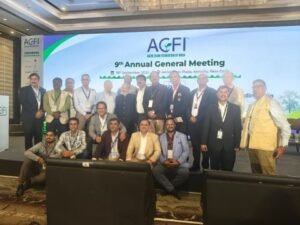
यह gathering केवल Annual General Meeting तक सीमित नहीं रही, बल्कि भारतीय Agrochemical Industry के भविष्य, competitiveness और policy ecosystem पर विचार-विमर्श का एक महत्वपूर्ण मंच भी बनी।
ACFI से जुड़े एक professional post में इस gathering को industry stalwarts के साथ सीखने और interaction का अवसर बताया गया। इसमें Agriculture और Agrochemical sector में लंबे समय से योगदान दे रहे professionals के अनुभव से सीखने तथा industry relationships को मजबूत करने की बात कही गई।
Industry Proposal अभी Government Policy नहीं
ACFI की ₹5,000–7,000 करोड़ की मांग को लेकर सबसे महत्वपूर्ण तथ्य यह है कि यह अभी Government-approved scheme नहीं है। यह Agro Chem Federation of India की ओर से प्रस्तुत एक industry recommendation है।
इस proposal को वास्तविक Government Scheme में बदलने के लिए budgetary allocation, policy approval और विभिन्न Ministries तथा State Governments के बीच coordination की आवश्यकता होगी। विशेष रूप से Chemicals and Fertilizers से जुड़े विभागों, Agriculture sector और उन राज्यों के बीच coordination महत्वपूर्ण होगा जहां proposed Agrochemical Parks विकसित किए जा सकते हैं।
अभी तक इस proposal पर Government की ओर से कोई निश्चित implementation timeline घोषित नहीं की गई है।
आगे की राह पर Industry की नजर
ACFI की recommendations ऐसे समय सामने आई हैं जब Indian Agriculture में Crop Protection, Food Security, Manufacturing Self-Reliance और Export Competitiveness जैसे मुद्दे एक-दूसरे से तेजी से जुड़ रहे हैं।
देश में Agrochemical Manufacturing को मजबूत करने के लिए केवल financial support पर्याप्त नहीं होगा। इसके साथ reliable power supply, environmental infrastructure, skilled manpower, research facilities, testing laboratories, efficient regulatory systems और strong logistics network की भी आवश्यकता होगी।
ACFI का Knowledge Paper इन सभी पहलुओं को एक broader ecosystem approach के साथ देखने की कोशिश करता है। इसका केंद्रीय उद्देश्य यह है कि भारत केवल Agrochemical Formulations का बड़ा producer और exporter न रहे, बल्कि Technicals और Intermediates की upstream manufacturing में भी अपनी क्षमता बढ़ाए।
यदि प्रस्तावित measures पर Government स्तर पर विचार आगे बढ़ता है, तो आने वाले वर्षों में इसका प्रभाव Agrochemical Manufacturing, Biologicals, Chemical Intermediates, R&D और Export-oriented production सहित कई segments पर पड़ सकता है।
फिलहाल ACFI की ₹5,000–7,000 करोड़ की मांग industry की policy recommendation के रूप में सामने आई है। अब यह देखना महत्वपूर्ण होगा कि Government इस proposal का किस तरह मूल्यांकन करती है और भारत में Atmanirbhar Agrochemical Manufacturing Ecosystem को मजबूत करने के लिए आगे कौन से policy measures सामने आते हैं।

