

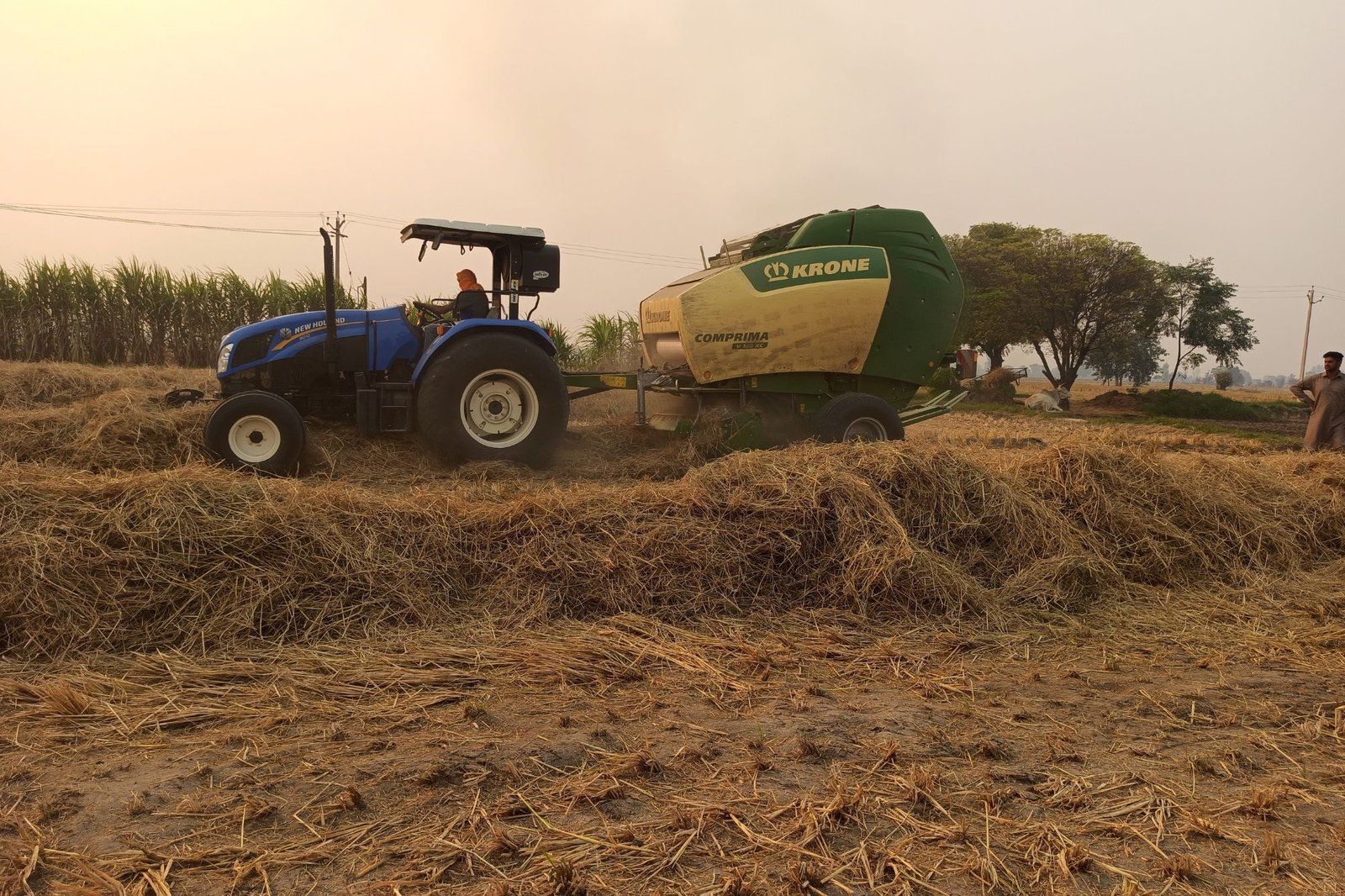

Paddy Straw to Bio CNG Business: उत्तर भारत में हर साल धान की कटाई के बाद पराली का मुद्दा चर्चा में आ जाता है। पंजाब, हरियाणा, उत्तर प्रदेश और आसपास के कृषि क्षेत्रों में किसानों के सामने सबसे बड़ी समस्या यह होती है कि खेत से निकलने वाली भारी मात्रा में पराली का आखिर किया क्या जाए। इसे खेत में छोड़ देने से अगली फसल की तैयारी प्रभावित होती है, जबकि जलाने पर वायु प्रदूषण बढ़ता है। लेकिन जिस पराली को कुछ समय पहले तक केवल agricultural waste समझा जाता था, वही आज renewable energy और Bio-CNG Business का महत्वपूर्ण raw material बन सकती है।
पराली और अन्य कृषि अवशेषों से Compressed Bio Gas (CBG) तैयार की जा सकती है। इसका उपयोग वाहनों के ईंधन, औद्योगिक ऊर्जा और City Gas Distribution network में किया जा सकता है। इसके साथ निकलने वाले organic manure को अलग से बेचकर भी आय प्राप्त की जा सकती है। यही वजह है कि पराली से Bio CNG Business आने वाले वर्षों में agriculture, clean energy और rural entrepreneurship को जोड़ने वाला एक महत्वपूर्ण business model बन सकता है।
इस लेख में हम समझेंगे कि पराली से Bio-CNG कैसे बनाई जाती है, Bio-CNG plant का business model क्या है, इसमें कितना investment लग सकता है, raw material कैसे मिलेगा, कमाई कहां से होगी और इस business में उतरने से पहले किन बातों को समझना जरूरी है।
Bio-CNG क्या है?
Bio-CNG को समझने से पहले biogas को समझना जरूरी है।गोबर, कृषि अवशेष, food waste, press mud और दूसरे biodegradable organic materials को नियंत्रित वातावरण में process करने पर biogas बनती है। Raw biogas में मुख्य रूप से methane के साथ carbon dioxide और दूसरी अशुद्धियां मौजूद होती हैं।
जब biogas को purification और upgrading process से गुजारकर methane concentration बढ़ाई जाती है और फिर उसे high pressure पर compress किया जाता है, तो तैयार fuel को Compressed Bio Gas यानी CBG, जिसे आम तौर पर Bio-CNG भी कहा जाता है, के रूप में इस्तेमाल किया जा सकता है।
भारत सरकार का SATAT initiative भी विभिन्न waste और biomass sources से CBG उत्पादन के लिए ecosystem विकसित करने के उद्देश्य से शुरू किया गया था। Oil और Gas Marketing Companies ने CBG procurement के लिए entrepreneurs से proposals और long-term agreements की व्यवस्था विकसित की है।इसलिए Bio-CNG केवल waste management का तरीका नहीं है। यह एक commercial fuel business भी है।
पराली Bio-CNG के लिए क्यों महत्वपूर्ण है?
धान की कटाई के बाद बचने वाला paddy straw बड़ी मात्रा में उपलब्ध agricultural residue है। इसका सही collection और processing किया जाए तो इसे energy value वाले feedstock के रूप में इस्तेमाल किया जा सकता है।
Paddy Straw to Bio CNG Business के पीछे मुख्य विचार यह है कि किसान के खेत से निकलने वाले residue को supply chain के जरिए plant तक पहुंचाया जाए, वहां उचित pre-treatment और biomethanation technology की मदद से gas बनाई जाए और तैयार CBG को commercial market में बेचा जाए।इस model से तीन स्तर पर value create हो सकती है।पहला, किसान को agricultural residue का बेहतर उपयोग मिलता है।दूसरा, Bio-CNG producer को feedstock मिलता है।तीसरा, diesel, petrol और fossil-based natural gas पर निर्भरता कम करने में सहायता मिलती है।इसके अलावा plant से निकलने वाले digestate को processing के बाद organic manure के रूप में उपयोग किया जा सकता है।इस तरह एक ऐसी चीज जिसे disposal problem माना जाता था, वही circular economy का हिस्सा बन जाती है।
पराली से Bio-CNG बनाने का Business Model कैसे काम करता है?
Bio CNG Plant Business Model को केवल गैस बनाने वाली factory के रूप में देखना सही नहीं होगा। असल business चार हिस्सों से मिलकर बनता है:Feedstock Procurement → Bio-CNG Production → Gas Sales → Organic Manure Salesइस पूरी chain में profitability इस बात पर निर्भर करती है कि raw material कितनी लागत पर उपलब्ध होता है, plant कितनी efficiency से चलता है और final product के लिए reliable buyer मौजूद है या नहीं। आइए इसे विस्तार से समझते हैं।
1. किसानों से पराली की खरीद और Collection Network
पराली आधारित Bio-CNG business की पहली और शायद सबसे महत्वपूर्ण चुनौती technology नहीं बल्कि feedstock supply chain है।Plant लगाने से पहले entrepreneur को यह पता करना चाहिए कि plant के आसपास लगभग 30 से 70 किलोमीटर के क्षेत्र में कितनी agricultural residue उपलब्ध है।इसके लिए स्थानीय:किसानों, Farmer Producer Organisations यानी FPOs, custom hiring centres, agricultural cooperatives, baler operators और transport contractorsके साथ network तैयार किया जा सकता है।धान की कटाई के तुरंत बाद machines की मदद से straw को collect करके bales में convert किया जा सकता है। इसके बाद इसे trucks या tractors के जरिए storage yard अथवा सीधे Bio-CNG plant तक पहुंचाया जाता है।इस business में raw material की nominal purchase price देखकर decision लेना गलत हो सकता है। आपकी वास्तविक feedstock cost होगी: पराली की कीमत + Baling Cost + Loading Cost + Transportation Cost + Storage Loss + Handling Cost इसलिए plant की location हमेशा raw material source को ध्यान में रखकर चुननी चाहिए।
2. पराली का Storage
Paddy straw seasonal feedstock है। इसका मतलब है कि harvesting season में उपलब्धता बहुत अधिक हो सकती है, लेकिन plant को सालभर चलाना है।इसलिए Biomass Storage Management business model का महत्वपूर्ण हिस्सा है।Plant developer को पर्याप्त storage space की जरूरत पड़ सकती है जहां कई महीनों के लिए biomass सुरक्षित रखा जा सके।Storage location में moisture, fire safety, drainage और material handling का ध्यान रखना आवश्यक है।अगर पराली में moisture बहुत अधिक बढ़ जाए या material खराब हो जाए तो processing efficiency और economics दोनों प्रभावित हो सकते हैं।यही कारण है कि बड़ी परियोजना में केवल plant machinery पर investment करना पर्याप्त नहीं होता। Biomass logistics infrastructure भी project cost का महत्वपूर्ण हिस्सा हो सकता है।
3. Feedstock Pre-treatment
पराली fibrous biomass है। इसे सीधे digester में डालना हमेशा पर्याप्त नहीं होता।सबसे पहले bales को खोलना, chopping या shredding करना और project की technology के अनुसार feedstock का pre-treatment करना पड़ सकता है।इसका उद्देश्य biomass structure को process के लिए suitable बनाना है, जिससे microorganisms organic matter पर बेहतर तरीके से काम कर सकें।यहां इस्तेमाल होने वाली technology project design, feedstock characteristics और process provider के अनुसार अलग-अलग हो सकती है।इसलिए किसी भी entrepreneur को केवल plant की advertised capacity देखकर equipment नहीं खरीदना चाहिए।Raw material testing और pilot data बहुत महत्वपूर्ण है।
4. Anaerobic Digestion से Biogas Production
Prepared feedstock को controlled digesters में भेजा जाता है।यहां oxygen की अनुपस्थिति में microorganisms organic material को break down करते हैं और biogas उत्पन्न होती है। इस process को Anaerobic Digestion या biomethanation कहा जाता है।Raw biogas में methane के साथ carbon dioxide, moisture और कुछ impurities हो सकती हैं।यहीं से अगला stage शुरू होता है।
5. Biogas Purification और Upgrading
Raw biogas सीधे CNG-equivalent commercial fuel नहीं बन जाती।इसे purification system से गुजरना पड़ता है।इस चरण में gas से unwanted components और impurities को हटाया जाता है और methane concentration को required quality तक improve किया जाता है।Technology options में project requirements के अनुसार अलग-अलग upgrading systems इस्तेमाल किए जा सकते हैं।Commercial plant के लिए gas quality standards maintain करना बहुत जरूरी है क्योंकि buyer और downstream infrastructure specification के अनुसार ही gas स्वीकार करेंगे।
6. Gas Compression
Purified gas को high pressure पर compress करने के बाद Compressed Bio Gas (CBG) के रूप में storage और transportation के लिए तैयार किया जाता है।इसके बाद business model के हिसाब से CBG को विभिन्न channels के माध्यम से market किया जा सकता है।
यहीं से company की primary revenue शुरू होती है।
Bio-CNG Plant से कमाई कैसे होती है?
अगर कोई व्यक्ति Bio CNG Plant Profitability समझना चाहता है, तो उसे केवल gas sale नहीं देखनी चाहिए। एक अच्छी परियोजना में multiple revenue streams हो सकती हैं।
Revenue Source 1: Bio-CNG की बिक्री
सबसे बड़ा revenue तैयार CBG की बिक्री से आता है।CBG का उपयोग transport fuel तथा City Gas Distribution ecosystem में किया जा सकता है।SATAT framework के तहत Oil और Gas Marketing Companies ने CBG procurement और long-term offtake arrangements को support करने की व्यवस्था की है।किसी project के लिए financial closure से पहले gas buyer या off-take mechanism का स्पष्ट होना बहुत महत्वपूर्ण है।Plant लगा लेने के बाद buyer ढूंढना business risk को काफी बढ़ा सकता है।
Revenue Source 2: Fermented Organic Manure
Biomethanation के बाद केवल gas ही नहीं निकलती। Digestion process के बाद बचने वाले material को उचित processing और applicable standards के अनुसार manure या fertilizer product में convert किया जा सकता है।इसे agricultural market में उपयोग किया जा सकता है।इसका मतलब है कि वही feedstock दो commercial outputs दे सकता है:
Bio-CNG + Organic Manure
अगर plant के आसपास अच्छी agricultural market है तो manure revenue overall project economics को मजबूत कर सकता है।लेकिन financial projections बनाते समय manure की पूरी estimated quantity को premium price पर बिकने वाला मान लेना उचित नहीं है। Local demand, product quality, transportation और distribution cost को भी शामिल करना चाहिए।
Revenue Source 3: Waste Management और Feedstock Partnerships
कुछ projects में industries, municipalities, dairy clusters या agricultural organisations के साथ organic waste management arrangements भी business model का हिस्सा बन सकते हैं।Mixed-feedstock projects में केवल paddy straw के बजाय agricultural residues, cattle dung या दूसरे suitable organic wastes को technology और approvals के अनुसार शामिल किया जा सकता है।इससे seasonal feedstock risk कम हो सकता है।
Revenue Source 4: Carbon और Environmental Value
Renewable gas projects fossil fuel substitution और agricultural waste management से environmental benefits create करते हैं।Project structure, methodology और applicable carbon-market rules के आधार पर कुछ projects भविष्य में carbon-related revenue opportunities explore कर सकते हैं।हालांकि carbon credits को project की guaranteed income मानकर financial model नहीं बनाना चाहिए।जब तक eligibility, certification, verification और buyer स्पष्ट न हों, इसे additional potential revenue की तरह ही देखना बेहतर है।
भारत में Bio-CNG की Demand क्यों बढ़ सकती है?
Bio-CNG sector को support करने वाला एक बड़ा development Compressed Bio-Gas Blending Obligation यानी CBO है।सरकार द्वारा घोषित framework के अनुसार CNG transport और PNG domestic segments में CBG blending obligation FY 2025-26 से mandatory होना था। घोषित trajectory में FY 2025-26 के लिए 1%, FY 2026-27 के लिए 3%, FY 2027-28 के लिए 4% और FY 2028-29 से 5% का target निर्धारित किया गया था।इस तरह के policy measures CBG के लिए institutional demand develop करने में मदद कर सकते हैं।
Entrepreneur के लिए इसका अर्थ यह है कि Compressed Bio Gas Businessa केवल environmental project नहीं रह गया है, बल्कि gas economy से जुड़ता हुआ emerging sector है।
Bio-CNG Plant लगाने में कितना Investment लग सकता है?
यह शायद इस business से जुड़ा सबसे सामान्य सवाल है: Bio CNG Plant Cost कितनी होती है?इसका कोई एक fixed जवाब नहीं है। Project cost इन चीजों पर निर्भर करती है: Plant capacity, feedstock type, biomass preparation technology, digester technology, gas upgrading system, compression infrastructure, land, storage yard, civil construction, machinery, electricity connection, water system, fire safety, pollution-control requirements और working capital.Commercial-scale projects की लागत कई करोड़ रुपये तक जा सकती है और बड़े plants में investment काफी अधिक हो सकता है।इसलिए इंटरनेट पर उपलब्ध किसी एक “प्रति टन plant cost” को अंतिम मानकर investment decision नहीं लेना चाहिए।एक Detailed Project Report यानी DPR for Bio CNG Plant तैयार कराना जरूरी है।मान लीजिए कोई entrepreneur hypothetical 5 TPD CBG plant evaluate कर रहा है। उसे केवल machinery quotation नहीं देखना चाहिए। Financial model में कम से कम इन costs को शामिल करना चाहिए: जिसमें Land and site development, civil construction, feedstock storage, biomass handling machinery, pre-treatment unit, digesters, gas purification system, compression system, utilities, electrical setup, laboratory, fire and safety infrastructure, transport arrangements, approvals, interest during construction और working capital शामिल है. इसके बाद ही वास्तविक project cost सामने आती है।
सरकारी Subsidy और Support
भारत सरकार ने waste-to-energy और Bio-CNG projects को विभिन्न programmes के तहत support किया है।MNRE के Waste to Energy Programme में FY 2021-22 से FY 2025-26 की अवधि के लिए नए biogas plant से Bio-CNG/CBG generation पर ₹4 करोड़ प्रति 4,800 kg/day के आधार पर Central Financial Assistance का प्रावधान था, जिसकी अधिकतम सीमा ₹10 करोड़ प्रति project थी। Existing biogas plant से Bio-CNG generation के लिए ₹3 करोड़ प्रति 4,800 kg/day का framework दिया गया था।
यहां एक महत्वपूर्ण बात समझना जरूरी है।अक्टूबर 2026 में नया project plan करने वाले entrepreneur को पुराने subsidy figures को automatically उपलब्ध मानकर project report नहीं बनानी चाहिए। MNRE का संबंधित programme FY 2025-26 तक घोषित था। BioURJA portal पर उपलब्ध मौजूदा सूचना के अनुसार नई applications से जुड़ी funding/sanction स्थिति Phase-II के budget approval और fund availability से जुड़ी हुई है तथा previous programme के लिए application windows की स्थिति बदल चुकी है। इसलिए current eligibility और application status को investment से पहले official portal पर verify करना जरूरी है।यानी subsidy को bonus माना जा सकता है, लेकिन business model इतना मजबूत होना चाहिए कि केवल subsidy मिलने पर ही project viable न हो।
SATAT Scheme का Bio-CNG Business में क्या महत्व है?
SATAT का full form Sustainable Alternative Towards Affordable Transportation है।इसे 1 October 2018 को CBG ecosystem विकसित करने के उद्देश्य से शुरू किया गया था।SATAT के तहत IOCL, BPCL, HPCL, GAIL और IGL जैसी Oil और Gas Marketing Companies ने potential entrepreneurs से CBG procurement के लिए Expression of Interest जारी किए हैं। MoPNG के अनुसार marketing companies long-term CBG off-take agreements भी execute कर रही हैं।
इसलिए यदि कोई entrepreneur How to Start Bio CNG Plant in India search कर रहा है तो उसे technology vendor चुनने से पहले potential off-taker और current procurement terms को समझना चाहिए।
एक उदाहरण से समझें Bio-CNG Business की Economics
मान लेते हैं कि कोई company पंजाब या हरियाणा के agricultural belt में commercial Bio-CNG project लगाने की योजना बना रही है।कंपनी nearby villages से paddy straw collect करती है।इसके लिए FPOs और local contractors के साथ agreements किए जाते हैं। Harvest season में balers के जरिए पराली collect होती है और plant के storage yard तक पहुंचाई जाती है।Plant में feedstock processing के बाद anaerobic digestion से biogas बनाई जाती है।Biogas upgrading और compression के बाद CBG तैयार होती है।अब company की आय दो मुख्य हिस्सों से आती है:
- CBG की commercial sale
- Digestate से तैयार organic manure की sale
मान लीजिए illustrative example में plant प्रतिदिन 5,000 kg saleable CBG produce करता है।यदि plant साल में 330 operational days चलता है, तो annual production होगी: 5,000 × 330 = 16,50,000 kg CBG
अब actual annual CBG revenue उस समय के contracted selling price पर निर्भर करेगा।इसी तरह manure से अतिरिक्त revenue हो सकता है।लेकिन gross revenue को profit समझना गलत होगा।इसमें से feedstock procurement, transportation, labour, electricity, water, maintenance, enzymes/additives जहां आवश्यक हों, manpower, administration, insurance, financing cost, storage loss और equipment replacement जैसी costs घटानी होंगी।इसीलिए किसी project की profitability केवल CBG selling price से तय नहीं होती।
Bio-CNG Business में सबसे बड़ा खर्च क्या है?
बहुत से नए entrepreneurs machinery को सबसे महत्वपूर्ण factor मानते हैं, लेकिन plant operational होने के बाद feedstock और logistics economics निर्णायक हो सकती है।अगर पराली दूर से लानी पड़ रही है तो transportation cost बहुत तेजी से बढ़ सकती है।मान लीजिए दो locations उपलब्ध हैं।Location A में जमीन सस्ती है लेकिन अधिकांश feedstock 70 किलोमीटर दूर है।Location B में जमीन थोड़ी महंगी है लेकिन पर्याप्त agricultural residue 20 से 30 किलोमीटर radius में उपलब्ध है।कई मामलों में Location B का lifecycle business model अधिक अच्छा हो सकता है क्योंकि सालों तक transportation पर होने वाली बचत initial land cost difference से अधिक हो सकती है।
Bio-CNG Plant शुरू करने से पहले Market Survey कैसे करें?
Plant लगाने से पहले कम से कम तीन surveys करना चाहिए।
Feedstock Survey
अपने target area में पता करें: कुल paddy cultivation कितनी है, annual straw availability कितनी है, competing biomass buyers कौन हैं, farmers अभी residue का क्या करते हैं, balers कितने उपलब्ध हैं और realistic delivered biomass cost कितनी पड़ेगी।
Gas Market Survey
Potential CBG buyers, nearest CGD network, OMC procurement options, industrial consumers और transportation requirements का अध्ययन करें।
Manure Market Survey
Organic manure किस price range पर बिक सकता है, local dealers कौन हैं, farmers की demand कितनी है और finished manure को कितनी दूरी तक economically transport किया जा सकता है। इन तीनों surveys के बाद ही plant capacity निर्धारित करना समझदारी होगी।
Bio-CNG Plant लगाने की Step-by-Step Process
Parali se Bio CNG Plant Kaise Lagaye यह जानने वाले entrepreneur के लिए broad process कुछ इस प्रकार हो सकती है:सबसे पहले feedstock availability survey करें।उसके बाद potential technology providers और technical consultants से preliminary feasibility करवाएं।फिर potential gas off-taker से बातचीत करें।Suitable land identify करें।इसके बाद detailed feedstock study और project DPR तैयार करें।DPR के आधार पर equity और debt financing structure तय करें।Project को लागू करने के लिए applicable company registrations, local approvals, environmental and pollution-control permissions, fire and safety requirements, factory-related permissions तथा gas handling से जुड़े applicable standards की पहचान करें।इसके बाद EPC/technology supplier finalise किया जाता है।Plant construction के साथ-साथ feedstock collection ecosystem तैयार किया जाना चाहिए।Commissioning से पहले biomass supply contracts और off-take arrangements operational होने चाहिए।अंत में trial production, quality testing और commercial production शुरू किया जाता है।
हर project की approval requirements location, capacity, technology और business structure के अनुसार अलग हो सकती हैं। इसलिए approvals के लिए qualified technical और legal professionals की मदद लेना उचित है।
क्या छोटे किसान खुद Bio-CNG Plant लगा सकते हैं?
Commercial CBG plant capital-intensive हो सकता है। इसलिए हर individual farmer के लिए अकेले बड़ी परियोजना लगाना practical नहीं होगा।लेकिन इसका अर्थ यह नहीं है कि किसान इस value chain से बाहर हैं।Farmers कई तरीकों से business में हिस्सा ले सकते हैं।वे पराली supplier बन सकते हैं।Farmers मिलकर FPO के माध्यम से biomass aggregation business शुरू कर सकते हैं।Baling और biomass collection services शुरू की जा सकती हैं।Local transportation network बनाया जा सकता है।FPO किसी larger Bio-CNG developer के साथ long-term feedstock partnership कर सकता है।इस तरह Paddy Straw Collection Business स्वयं एक अलग rural business opportunity बन सकता है।
Bio-CNG Business के फायदे
Parali se Bio CNG Business की सबसे बड़ी ताकत यह है कि इसमें environmental और commercial दोनों value मौजूद हैं।पराली का productive use होता है।किसानों के लिए residue management का नया channel बनता है।Renewable gaseous fuel तैयार होता है।Organic manure जैसे by-products मिल सकते हैं।Rural areas में collection, baling, transportation और plant operations से employment opportunities पैदा हो सकती हैं।Agricultural waste circular economy का हिस्सा बनता है।सबसे महत्वपूर्ण बात यह है कि CBG को भारत की existing gas और transport fuel economy से जोड़ने की policy direction मौजूद है।
इस Business के बड़े Risks क्या हैं?
किसी भी investor को केवल benefits देखकर decision नहीं लेना चाहिए।
Feedstock Risk
अगर आसपास नया biomass buyer आ जाए तो पराली की कीमत बढ़ सकती है।
Seasonal Availability
Paddy straw सीमित harvesting window में उपलब्ध होती है। सालभर का stock manage करना चुनौतीपूर्ण है।
Transportation Cost
Biomass bulky material है। लंबी दूरी से transportation project economics को खराब कर सकता है।
Technology Risk
हर agricultural residue एक जैसा behave नहीं करता। गलत pre-treatment या digester design expected gas yield को प्रभावित कर सकता है।
Plant Utilisation Risk
Financial model 330 operational days पर बना हो और plant केवल 250 दिन effective production करे, तो economics काफी बदल सकती है।
Off-take Risk
Gas तैयार करने के साथ reliable buyer और logistics system भी जरूरी है।
Financing Risk
Large capital requirement के कारण interest rate, debt repayment और construction delay profitability को प्रभावित कर सकते हैं।
Manure Sales Risk
Excel sheet में manure revenue जोड़ना आसान है, लेकिन ground level पर distribution network develop करना अलग चुनौती है।
सफल Bio-CNG Business के लिए सबसे जरूरी Strategy
इस business में सफलता का formula केवल “plant लगाओ और gas बेचो” नहीं है।बेहतर strategy है:पहले Feedstock Secure करो → फिर Buyer Secure करो → उसके बाद Technology और Plant Capacity Final करो।नए entrepreneur अक्सर इसका उल्टा करते हैं।पहले machinery supplier से quotation लेते हैं, फिर जमीन खरीदते हैं और आखिर में raw material तथा gas buyer तलाशते हैं।यह approach project risk बढ़ा सकती है।Ideal situation में plant लगाने से पहले कई वर्षों के लिए feedstock supply की reasonable visibility और gas off-take का clear path होना चाहिए।
भविष्य में Parali to Bio-CNG Business की संभावना
भारत में agricultural residues की उपलब्धता, clean-energy demand और CBG ecosystem को बढ़ावा देने वाली policies को देखते हुए इस sector में long-term opportunities बन सकती हैं।CNG और PNG segments में CBG blending framework इस demand को institutional support देने वाली महत्वपूर्ण policy direction है।
वहीं GOBARdhan ecosystem के तहत देश के अलग-अलग राज्यों में biogas और related projects के registrations और plant development भी दिखाई देते हैं।भविष्य में केवल बड़े industrial houses ही नहीं, बल्कि FPOs, cooperatives, renewable-energy companies, agricultural entrepreneurs और biomass logistics companies भी इस ecosystem में अलग-अलग roles निभा सकती हैं।
पराली से Bio-CNG बनाने का Business Model भारत में agricultural waste management को energy business में बदलने का एक दिलचस्प अवसर प्रस्तुत करता है।इस business की खास बात यह है कि raw material गांव और खेतों से आता है, processing rural या semi-rural areas में हो सकती है और final product commercial energy market तक पहुंच सकता है। लेकिन Parali se Bio CNG Business में केवल plant machinery खरीदना सफलता की गारंटी नहीं है। इस business के चार मजबूत pillars होने चाहिए: Reliable Feedstock, Proven Technology, Efficient Operations और Assured Market.
अगर entrepreneur plant लगाने से पहले biomass availability, logistics cost, technology performance, gas buyer, manure market और financing का realistic assessment करता है तो project के successful होने की संभावना बेहतर हो सकती है। वहीं केवल subsidy या अनुमानित high profits को देखकर project शुरू करना risky हो सकता है।
इसलिए किसी भी बड़े investment से पहले Detailed Project Report, feedstock survey, technology due diligence, financial sensitivity analysis और off-take arrangement पर विशेष ध्यान देना चाहिए।
सही planning के साथ पराली केवल खेत का waste नहीं रहती। वही पराली किसान के लिए अतिरिक्त economic activity, entrepreneur के लिए renewable-energy business और देश के लिए cleaner fuel का source बन सकती है।