

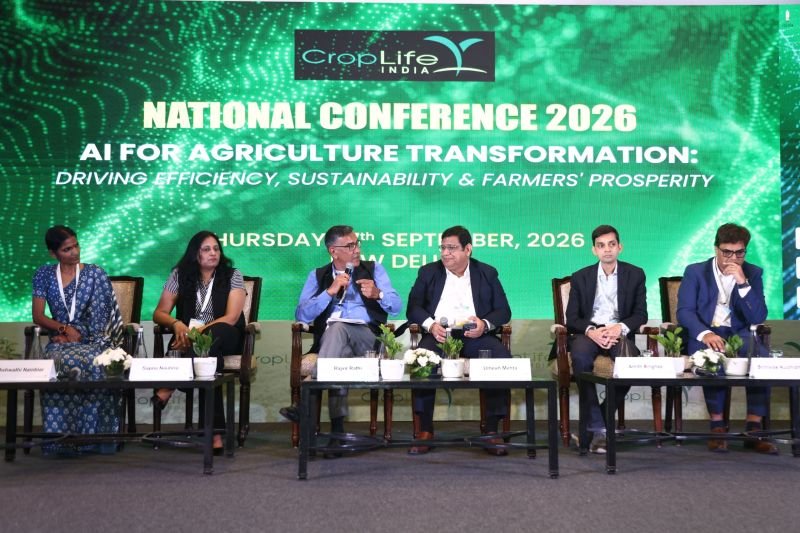
नई दिल्ली में CropLife India National Conference 2026 का आयोजन कृषि क्षेत्र में Artificial Intelligence (AI), Data, Innovation और Smart Technology की बढ़ती भूमिका पर केंद्रित रहा। “AI for Agriculture Transformation: Driving Efficiency, Sustainability & Farmers’ Prosperity” की थीम पर आयोजित इस राष्ट्रीय सम्मेलन में Government, Policymakers, Industry Leaders, Scientists, Agri-Tech Innovators, Academia और Agriculture sector से जुड़े stakeholders ने भविष्य की खेती को लेकर अपने विचार साझा किए।
सम्मेलन का मुख्य फोकस इस बात पर रहा कि Artificial Intelligence और emerging technologies को किस तरह भारतीय कृषि की वास्तविक जरूरतों के अनुरूप इस्तेमाल किया जा सकता है। चर्चा में विशेष रूप से छोटे और सीमांत किसानों तक advanced technology की पहुंच, satellite imagery, Earth Observation, precision agriculture, agricultural data, crop protection, drones, climate-smart solutions और policy-regulatory framework जैसे विषय सामने आए।
सम्मेलन में यह विचार प्रमुखता से उभरा कि agriculture में technology का उद्देश्य केवल digital transformation तक सीमित नहीं होना चाहिए, बल्कि इसके जरिए किसानों के लिए practical, scalable और measurable solutions विकसित किए जाने चाहिए। CropLife India के पूर्व Chairman Anil Jain ने समापन संबोधन में भी इस बात पर जोर दिया कि AI में छोटे और marginal farmers के लिए customised solutions उपलब्ध कराने की क्षमता है, जिससे advanced technology अलग-अलग farming needs के लिए अधिक accessible और relevant बन सकती है।
AI और Data बन रहे हैं Agriculture Transformation की नई ताकत
सम्मेलन के plenary session “AI in Action: Transforming Agriculture Through Data, Intelligence & Innovation” में Artificial Intelligence, data और technology के कृषि पर संभावित प्रभाव पर विस्तार से चर्चा हुई। Session में digital infrastructure, satellite intelligence, precision agriculture और farmer-centric innovation को कृषि transformation के महत्वपूर्ण pillars के रूप में देखा गया।
इस discussion का moderation CropLife India के Vice Chairman Rajvir Rathi ने किया। विभिन्न क्षेत्रों से जुड़े experts ने अपने perspectives साझा करते हुए यह समझाने का प्रयास किया कि AI की capabilities को agricultural ecosystem की वास्तविक परिस्थितियों के साथ कैसे जोड़ा जा सकता है।
भारत जैसे देश में खेती का landscape काफी diverse है। अलग-अलग राज्यों में climate, soil, crops, irrigation facilities, farm size और farming practices अलग हैं। ऐसे में एक समान technology solution हर किसान की जरूरत पूरी नहीं कर सकता। यही कारण है कि customised और data-driven solutions की आवश्यकता लगातार बढ़ रही है।
AI किसानों और agricultural stakeholders को उपलब्ध data का बेहतर analysis करने, field-level information को समझने और decision-making को अधिक informed बनाने में सहायता कर सकता है। सम्मेलन में इसी broader transformation को लेकर industry और technology experts के बीच विचार-विमर्श हुआ।
Microsoft ने technology और institutional support की भूमिका पर दिया जोर
Conference के plenary session में Microsoft की Director, Public Sector, Asia, Maj Sapna Nauhria ने agriculture transformation में technology और institutional support की भूमिका पर अपने विचार रखे।
उन्होंने ADT Baramati project का उल्लेख करते हुए बताया कि किस तरह technology और intelligence को एक साथ इस्तेमाल करके meaningful agricultural outcomes की दिशा में काम किया जा सकता है। उनके अनुसार बेहतर yield और production के लिए केवल technology पर्याप्त नहीं है, बल्कि trust और strong institutional support भी महत्वपूर्ण हैं।
यह विचार agriculture में technology adoption की एक महत्वपूर्ण चुनौती की ओर संकेत करता है। किसान किसी भी नई technology को तभी व्यापक स्तर पर अपनाते हैं जब उन्हें उसके उपयोग, reliability और practical benefits पर विश्वास हो। इसलिए Technology Developers, Government Institutions, Research Organisations, Industry और Farmers के बीच coordination जरूरी माना गया।
Conference में यह भी स्पष्ट हुआ कि agricultural technology का ecosystem केवल machines या software तक सीमित नहीं है। इसमें data infrastructure, institutional support, farmer awareness, research, policy और field-level implementation सभी की भूमिका है।
Satellite Imagery और LLMs से Crop Mapping को मिल सकता है नया आयाम
IBM Research India के Director Amith Singhee ने Artificial Intelligence और Large Language Models यानी LLMs की agricultural applications पर महत्वपूर्ण perspectives साझा किए।
उन्होंने बताया कि AI और LLMs satellite imagery से intelligence प्राप्त करने की नई संभावनाएं खोल सकते हैं। Satellite imagery और agricultural data को combine करने से crop mapping को बेहतर बनाने तथा agriculture से संबंधित decision-making के लिए बड़ी मात्रा में information generate की जा सकती है।
Agriculture में satellite-based information का महत्व इसलिए भी बढ़ रहा है क्योंकि बड़े geographical areas की monitoring को अधिक systematic तरीके से किया जा सकता है। जब satellite imagery को AI और agricultural datasets के साथ integrate किया जाता है, तो खेतों और crops से संबंधित patterns को समझने के लिए नई possibilities सामने आती हैं।
यह approach future में data-driven agriculture को बढ़ावा देने में महत्वपूर्ण भूमिका निभा सकती है। हालांकि ऐसी technology को ground-level realities और reliable agricultural data के साथ जोड़ना भी उतना ही आवश्यक है।
Earth Observation और AI से fragmented agricultural ecosystem को जोड़ने पर जोर
SatSure की Director of AI/ML Ashwathi Nambiar ने Earth Observation और AI के माध्यम से agriculture transformation की संभावनाओं पर चर्चा की।
उन्होंने बताया कि Earth Observation data agricultural ecosystem में मौजूद fragmentation को address करने में मदद कर सकता है और अधिक connected तथा data-driven approaches को enable कर सकता है। साथ ही उन्होंने evidence-backed solutions के जरिए trust बनाने की आवश्यकता पर भी जोर दिया।
Agriculture में अलग-अलग sources से आने वाला data कई बार fragmented होता है। यदि विभिन्न datasets को technology के माध्यम से बेहतर तरीके से integrate किया जाए, तो stakeholders को agriculture की स्थिति को समझने के लिए अधिक comprehensive insights मिल सकते हैं।
लेकिन इसके साथ data की credibility भी महत्वपूर्ण है। Conference में यह संदेश सामने आया कि AI-based agricultural solutions के लिए केवल data की quantity नहीं, बल्कि उसकी quality, reliability और evidence भी अहम होगी।
CropLife India ने Policy, Regulation और Farmer Awareness को बताया जरूरी
CropLife India के Former Chairman Ankur Aggarwal ने Indian agriculture के transformation में science-led और farmer-inclusive ecosystem की जरूरत पर बात की।
उन्होंने pesticide management के लिए मजबूत policy और regulatory framework के साथ agricultural data की robust protection की आवश्यकता पर जोर दिया। उनके अनुसार किसानों तक सही technologies की पहुंच बढ़ाने के लिए policy engagement और लगातार follow-up जरूरी है।
उन्होंने CropLife India के विभिन्न farmer awareness programmes का भी उल्लेख किया, जो अलग-अलग agroclimatic zones में किसानों तक knowledge और innovation पहुंचाने पर केंद्रित हैं।
यह पहल इस बात को रेखांकित करती है कि technology का लाभ तभी व्यापक हो सकता है जब किसानों को उसके सही इस्तेमाल की जानकारी भी उपलब्ध हो। नई technology के साथ training, awareness और field-level support भी agricultural transformation का हिस्सा होना चाहिए।
CropLife India Knowledge Report में New Chemistry और Climate-Smart Crop Protection पर फोकस
Conference के inaugural session में CropLife India Knowledge Report का unveiling किया गया। YES BANK के National Head, FASAR, Sunjay Vuppuluri ने report की प्रमुख findings और insights प्रस्तुत कीं।
Report में agricultural sector के लिए new chemistry, climate-smart crop protection और enhanced R&D infrastructure से जुड़ी opportunities को प्रमुखता दी गई।
Climate change के बदलते प्रभावों के बीच crop protection के लिए ऐसे solutions की आवश्यकता बढ़ रही है जो changing environmental conditions के अनुरूप काम कर सकें। इसके लिए Research and Development infrastructure को मजबूत करना और नई scientific approaches को आगे बढ़ाना महत्वपूर्ण हो सकता है।
Knowledge Report की discussion में innovation, research और forward-looking solutions के माध्यम से Indian agriculture की potential को मजबूत करने की दिशा पर भी चर्चा हुई।
2050 की Food Demand के बीच AI का जिम्मेदार इस्तेमाल जरूरी
Ministry of Agriculture & Farmers Welfare, Government of India से जुड़े CIB&RC के Secretary Dr. Subhash Chand ने inaugural session में Artificial Intelligence की agricultural regulation और crop protection में भूमिका पर विचार साझा किए।
उन्होंने AI की संभावनाओं के साथ-साथ इसके judicious और responsible use के महत्व को रेखांकित किया। Conference discussion में 2050 तक global population के लगभग 10 billion तक पहुंचने की संभावना और बढ़ती food requirements को देखते हुए crop production में पर्याप्त वृद्धि की आवश्यकता पर ध्यान दिया गया।
AI agricultural data, pest histories और computer-based learning के माध्यम से crop production और protection में decision-making को support कर सकता है। Pest management और crop monitoring जैसे क्षेत्रों में historical information और current data को analyze करके अधिक informed approaches विकसित करने की संभावनाएं हैं।
हालांकि, AI का उपयोग agriculture जैसे महत्वपूर्ण क्षेत्र में responsible framework के साथ किया जाना आवश्यक होगा। Technology के साथ regulation, data governance और practical validation भी जरूरी components होंगे।
RNAi और Biologicals से Smart Crop Protection की नई संभावनाएं
INERA Cropscience के Partner Srinivasakumar Karavadi ने smart और sustainable crop protection के बदलते landscape पर अपने विचार रखे।
उन्होंने RNAi-based crop protection solutions और biologicals की बढ़ती संभावनाओं पर चर्चा की। उनके अनुसार ये technologies आने वाले समय में crop protection का महत्वपूर्ण हिस्सा बन सकती हैं और अधिक targeted approaches के लिए नए रास्ते खोल सकती हैं।
उन्होंने crop nutrition और crop protection के बीच close connection पर भी जोर दिया। स्वस्थ crop development के लिए nutrition और protection दोनों को integrated approach के रूप में देखने की जरूरत है।
यह perspective agriculture में integrated crop management की दिशा को भी रेखांकित करता है, जहां अलग-अलग technologies और scientific solutions को एक-दूसरे से जोड़कर बेहतर agricultural outcomes हासिल करने पर ध्यान दिया जा सकता है।
Drones और Satellite Technology से Precision Crop Protection
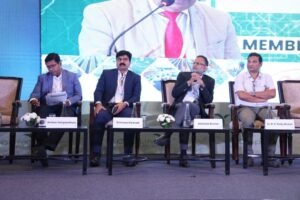
BASF Agricultural Solutions – South Asia के Head, Registration and Regulatory Affairs, Anirban Gangopadhyay ने smart crop protection पर session को moderate किया।
इस session में AI, R&D-based solutions और precision technologies के बढ़ते उपयोग पर चर्चा हुई। खास तौर पर drones और satellite-based applications को अधिक targeted और efficient crop protection approaches से जोड़ने की संभावनाओं पर विचार किया गया।
Precision technology का उद्देश्य agricultural operations को अधिक targeted बनाना है। भविष्य में field-level information के आधार पर crop protection interventions को बेहतर तरीके से plan करने की possibilities बढ़ सकती हैं।
इस दिशा में AI, satellite data, drones और scientific research का convergence agriculture में एक नया technology ecosystem तैयार कर सकता है।
2035 तक AI और Emerging Technology के व्यापक उपयोग की जरूरत
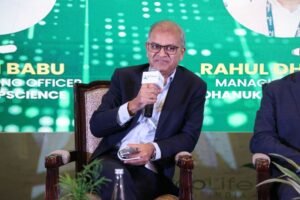
Valedictory CEO Panel में Bayer CropScience के Chief Operating Officer Mohan Babu Rajaram ने agriculture में AI और advanced technologies की भूमिका पर future-oriented perspective साझा किया।
उन्होंने 2035 तक AI और emerging technologies को agriculture की evolving needs के अनुरूप अधिक precision और purpose के साथ अपनाने की आवश्यकता पर जोर दिया। बढ़ती food demand को देखते हुए उन्होंने उस समय तक crop production में 40–50% अधिक उत्पादन की आवश्यकता की बात रखी।
उन्होंने AI और agricultural data में greater investment को महत्वपूर्ण enabler बताया। Data-based decision-making, productivity improvement और technology-driven agriculture को आगे बढ़ाने के लिए investment और innovation दोनों जरूरी होंगे।
AI को Agriculture Transformation के केंद्र में देखने की दिशा
CropLife India के Chairman Dr. Gyanendra Shukla ने भी Valedictory CEO Panel में Indian agriculture के future पर अपने विचार साझा किए।
उन्होंने आने वाले दशक में agricultural outcomes में महत्वपूर्ण बदलाव और improvement की संभावनाओं पर चर्चा करते हुए AI को इस transformation के केंद्र में बताया। उनके अनुसार Artificial Intelligence agriculture में productivity, efficiency और smarter decision-making के लिए नई possibilities तैयार कर सकता है।
इससे यह संकेत मिलता है कि आने वाले वर्षों में agriculture का transformation केवल mechanisation तक सीमित नहीं रहेगा। Digital technology, AI, data analytics, satellite intelligence और precision tools भी farming ecosystem का महत्वपूर्ण हिस्सा बन सकते हैं।
Mechanisation और Technology Democratisation से किसानों के लिए बढ़ेंगे अवसर
Dhanuka Agritech Ltd. के Managing Director Rahul Dhanuka ने भी Valedictory CEO Panel में Indian agriculture के future पर अपनी perspective साझा की।
उन्होंने कहा कि 2035 तक mechanisation और democratisation of technology में कई गुना वृद्धि होने की संभावना है। इससे किसानों के लिए नए opportunities पैदा हो सकते हैं और agriculture practices में बदलाव आ सकता है।
उन्होंने technology के साथ people investment की आवश्यकता पर भी जोर दिया। उनके अनुसार skilled, empowered और capable people innovation को meaningful outcomes में बदलने में महत्वपूर्ण भूमिका निभाएंगे।
यानी future agriculture में केवल technology खरीदना पर्याप्त नहीं होगा। उसे समझने, अपनाने और प्रभावी तरीके से इस्तेमाल करने के लिए skilled human resources, training और institutional support भी जरूरी होंगे।
किसान-केंद्रित Technology को लेकर सम्मेलन का स्पष्ट संदेश
CropLife India National Conference 2026 की विभिन्न sessions और discussions को देखा जाए तो एक common theme सामने आती है—Technology तभी meaningful है जब उसका practical benefit किसान तक पहुंचे।
AI और advanced technology agriculture को अधिक data-driven और efficient बनाने की क्षमता रखते हैं। Satellite imagery बड़े क्षेत्रों की information उपलब्ध करा सकती है, Earth Observation agricultural ecosystem को समझने में मदद कर सकता है, drones precision applications के लिए उपयोगी हो सकते हैं और AI complex agricultural data को actionable intelligence में बदलने की दिशा में काम कर सकता है।
लेकिन इन सभी possibilities के साथ farmer trust, institutional support, policy framework, data protection, research और awareness equally important हैं।
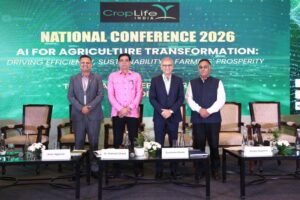
Conference के concluding remarks में Former Chairman Anil Jain ने भी इसी farmer-centric approach को रेखांकित किया। उन्होंने customised AI solutions के माध्यम से small और marginal farmers के लिए advanced technology को अधिक accessible और relevant बनाने की संभावना पर जोर दिया।
Future Agriculture में Innovation, Science और Farmer की साझेदारी
CropLife India National Conference 2026 का व्यापक संदेश यह रहा कि Indian agriculture का future कई technologies के convergence से आकार ले सकता है। AI, Data, Satellite Intelligence, Earth Observation, Precision Agriculture, Drones, Biologicals, RNAi-based solutions, Climate-Smart Crop Protection और Mechanisation जैसे क्षेत्रों में innovation आने वाले समय में कृषि sector को नई दिशा दे सकता है।
हालांकि, technology-led agriculture का अंतिम उद्देश्य farmer prosperity, sustainability और productivity से जुड़ा होना चाहिए। यही कारण है कि conference में बार-बार practical, scalable, evidence-based और farmer-centric solutions की आवश्यकता सामने आई।
भारत में agricultural transformation के लिए Government, Research Institutions, Industry, Technology Companies, Scientists, Academia और Farmers के बीच collaboration महत्वपूर्ण रहेगा। यदि technology को मजबूत policy support, reliable data, scientific research और farmer awareness के साथ जोड़ा जाता है, तो agriculture में नई opportunities विकसित हो सकती हैं।
CropLife India National Conference 2026 ने इसी व्यापक vision को सामने रखा—एक ऐसा agricultural ecosystem जहां innovation और technology केवल laboratories या boardrooms तक सीमित न रहें, बल्कि खेत तक पहुंचें और किसानों की वास्तविक जरूरतों के अनुरूप इस्तेमाल हों। सम्मेलन के विभिन्न सत्रों में सामने आए विचारों ने यह रेखांकित किया कि आने वाले समय की agriculture अधिक connected, data-driven, technology-enabled और farmer-centric हो सकती है

