

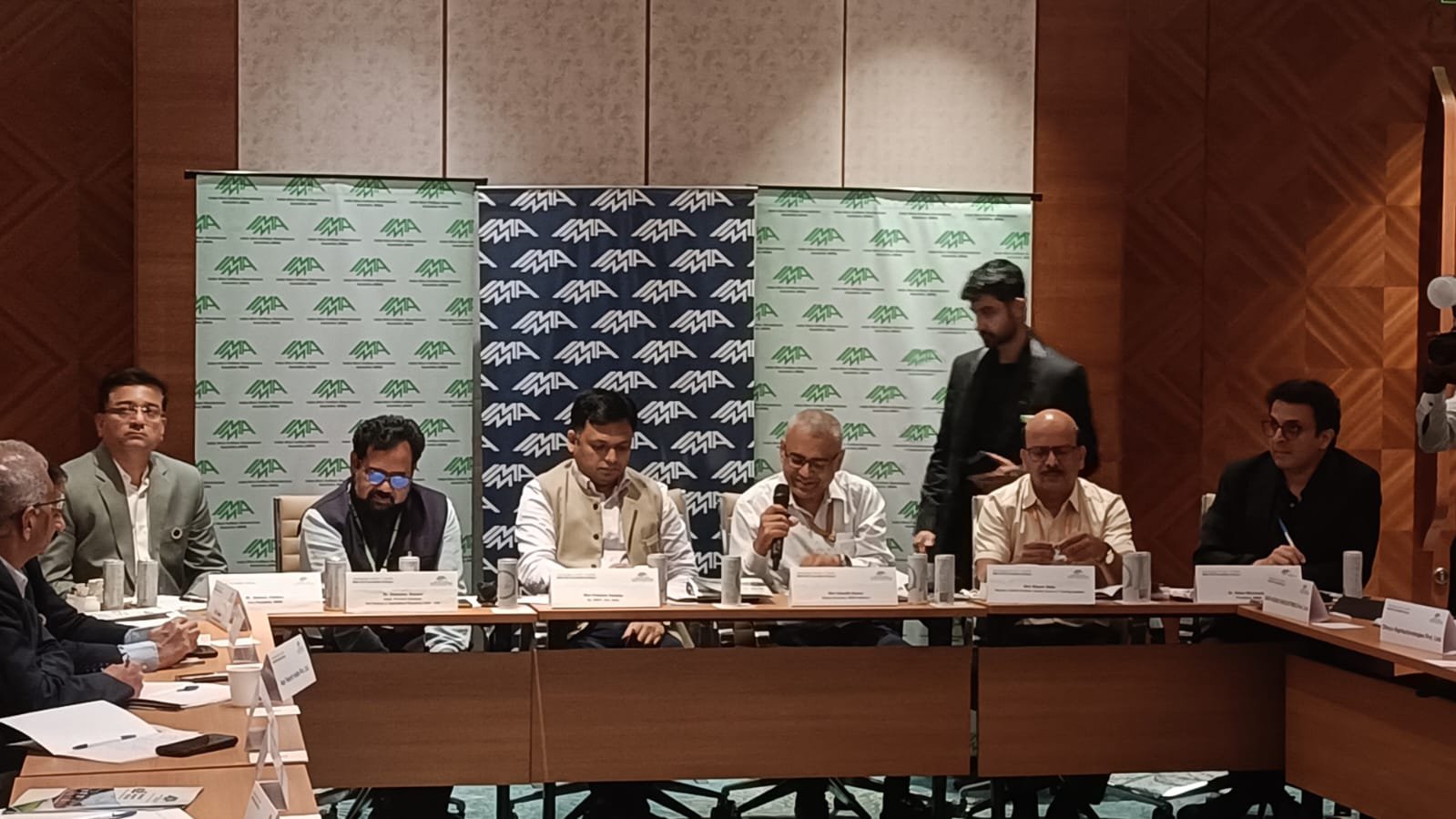
भारत के Specialty Fertilizer और Bio-Stimulant सेक्टर को अधिक सक्षम, प्रतिस्पर्धी और innovation-friendly बनाने की दिशा में एक महत्वपूर्ण Government–Industry Dialogue का आयोजन 17 सितंबर 2026 को Bharat Mandapam, नई दिल्ली में किया गया। Indian Micro-Fertilizers Manufacturers Association (IMMA) की ओर से आयोजित इस Government–Industry Round Table Dialogue में कृषि, वाणिज्य एवं उद्योग और वित्त से जुड़े वरिष्ठ सरकारी अधिकारियों, policymakers, regulators तथा industry representatives ने sector की प्रमुख regulatory और policy चुनौतियों पर विचार-विमर्श किया।
Round Table का मुख्य उद्देश्य industry की लंबे समय से सामने आ रही regulatory complexity, licensing requirements, compliance burden, quality testing, export facilitation और GST 2.0 से जुड़े मुद्दों पर सरकार और industry के बीच direct dialogue के माध्यम से actionable solutions की दिशा तैयार करना रहा।
यह संवाद IMMA के 6th National Crop Nutrition Summit, जो फरवरी 2026 में मुंबई में आयोजित हुआ था, से सामने आए policy recommendations को आगे बढ़ाने की दिशा में महत्वपूर्ण कदम के रूप में देखा गया। उस Summit में industry ने regulatory harmonisation, simplified licensing, tax alignment और मजबूत quality-control mechanisms की आवश्यकता पर जोर दिया था। अब नई दिल्ली में आयोजित इस B2G dialogue के जरिए इन recommendations को implementation-oriented discussion में बदलने पर फोकस किया गया।
Specialty Fertilizer और Bio-Stimulant Sector के सामने बदलता बाजार
भारत में Agriculture sector के बदलते स्वरूप के साथ Specialty Crop Nutrition की मांग भी बढ़ रही है। Micronutrients, specialty fertilizers, customised formulations और bio-stimulants जैसे products किसानों की बदलती crop nutrition requirements के अनुरूप महत्वपूर्ण भूमिका निभा रहे हैं।
Industry में नई formulations और technologies के आने के साथ manufacturers अपने product portfolios का विस्तार कर रहे हैं। साथ ही भारतीय कंपनियां international markets में अपनी उपस्थिति बढ़ाने और Made-in-India specialty fertilizers तथा bio-stimulants के export opportunities तलाश रही हैं।
ऐसे में एक predictable और transparent regulatory system की आवश्यकता महत्वपूर्ण हो जाती है। Manufacturers के लिए licensing, registration, testing और compliance processes यदि अलग-अलग राज्यों में अलग-अलग requirements के साथ संचालित होते हैं, तो इससे operational complexity और समय दोनों बढ़ सकते हैं।
इसी पृष्ठभूमि में Bharat Mandapam में आयोजित Round Table में regulatory simplification, global competitiveness और tax rationalisation को तीन interconnected priorities के रूप में चर्चा के केंद्र में रखा गया।
‘One Nation, One Licence’ की दिशा में Centralised FCO Data Stack का प्रस्ताव
Round Table में licensing और compliance प्रक्रिया को सरल बनाने का मुद्दा प्रमुखता से सामने आया। IMMA की ओर से ‘One Nation, One Licence’ approach की वकालत की गई।
इस प्रस्ताव के तहत एक centralised FCO data stack के माध्यम से licensing से जुड़ी information और processes को अधिक integrated बनाने की बात रखी गई। इसके साथ ही राज्यों के बीच mutual recognition तथा digital rationalisation की आवश्यकता पर भी जोर दिया गया।
Industry का मानना है कि एक ही तरह की information और documentation को अलग-अलग jurisdictions में बार-बार submit करने की आवश्यकता को कम किया जा सकता है। इससे compliant manufacturers के लिए compliance burden घट सकता है और business processes अधिक predictable बन सकते हैं।
हालांकि, regulatory simplification के साथ product quality और farmer safety से जुड़े safeguards बनाए रखना भी महत्वपूर्ण है। इसलिए Round Table का व्यापक उद्देश्य ऐसा framework विकसित करना रहा जिसमें ease of doing business और strong quality oversight के बीच संतुलन कायम रहे।
Bio-Stimulants के लिए Clear और Rational Regulatory Framework की जरूरत
Bio-stimulant sector में तेजी से innovation हो रहा है। नए products, formulations और technologies बाजार में आ रहे हैं। ऐसे में इनके लिए स्पष्ट और consistent regulatory framework की जरूरत भी बढ़ रही है।
बैठक में bio-stimulants से जुड़े overlapping specifications को rationalise करने और liquid micronutrients, water-soluble mixtures तथा advanced formulations के लिए अधिक स्पष्ट guidelines विकसित करने पर चर्चा की गई।
Industry की ओर से यह मुद्दा भी उठाया गया कि regulatory framework ऐसा होना चाहिए जो quality और compliance standards को मजबूत बनाए, लेकिन genuine innovation के लिए अनावश्यक procedural barriers न पैदा करे।
भारत में agricultural inputs का regulatory ecosystem किसानों तक गुणवत्तापूर्ण products पहुंचाने के लिए महत्वपूर्ण है। इसलिए future-ready regulations में scientific assessment, quality assurance और innovation—तीनों के लिए उचित स्थान बनाने पर जोर दिया गया।
Quality Testing Infrastructure को मजबूत करने पर जोर
Specialty fertilizers और bio-stimulants की quality assurance के लिए testing infrastructure का महत्वपूर्ण योगदान है। इसी संदर्भ में Round Table में quality-control capacity बढ़ाने का मुद्दा भी प्रमुख रहा।
IMMA की ओर से NABL-accredited private laboratories को अधिक recognition देने का सुझाव रखा गया। Industry का तर्क है कि जब तक public testing infrastructure पूरी तरह equipped नहीं हो जाता, तब तक accredited private laboratories की क्षमता का उपयोग testing bottlenecks को कम करने और turnaround time बेहतर करने के लिए किया जा सकता है।
Quality testing में देरी manufacturers के लिए compliance timelines को प्रभावित कर सकती है। इसलिए accredited laboratories के व्यापक उपयोग से testing capacity को बढ़ाने की संभावना पर चर्चा हुई।
इस प्रस्ताव का मूल उद्देश्य quality standards को कमजोर करना नहीं, बल्कि उपलब्ध testing infrastructure का बेहतर utilisation करते हुए regulatory processes को अधिक efficient बनाना है।
Export को बढ़ावा देने के लिए Customs और Trade Barriers पर चर्चा
भारत में Specialty Fertilizers और Bio-Stimulants का domestic market बढ़ने के साथ global market में भी Indian manufacturers के लिए opportunities बन रही हैं। Round Table में international competitiveness और export facilitation को भी प्रमुख policy priority के रूप में रखा गया।
बैठक में customs और export-related barriers की समीक्षा, Free Trade Agreements यानी FTAs से मिलने वाले संभावित अवसरों का बेहतर उपयोग और non-subsidised Made-in-India specialty fertilizers तथा bio-stimulants के exports को facilitate करने जैसे मुद्दों पर विचार किया गया।
Industry के अनुसार यदि regulatory और trade processes अधिक predictable होते हैं, तो Indian manufacturers के लिए international markets में scale-up करना आसान हो सकता है।
भारत के लिए यह विषय इसलिए भी महत्वपूर्ण है क्योंकि domestic manufacturing capabilities के साथ global competitiveness को बढ़ाने के लिए quality, cost efficiency, regulatory compliance और trade facilitation सभी factors को साथ लेकर चलना होगा।
GST 2.0 और Tax Rationalisation भी चर्चा के केंद्र में
Round Table में GST 2.0 और tax rationalisation से जुड़े मुद्दों पर भी industry ने अपनी अपेक्षाएं सामने रखीं।
IMMA की ओर से FCO fertilizers और bio-stimulants के लिए uniform 5% GST rate की मांग रखी गई। इसके साथ inverted duty structure से जुड़ी चुनौतियों को address करने और GST refunds को अधिक predictable तथा time-bound बनाने की आवश्यकता पर जोर दिया गया।
Industry के लिए tax structure केवल pricing का मुद्दा नहीं है, बल्कि working capital और overall business planning से भी जुड़ा है। Refund processes में uncertainty होने पर manufacturers की cash-flow requirements प्रभावित हो सकती हैं।
इसलिए Round Table में tax framework को अधिक predictable बनाने और sector की manufacturing तथा innovation potential को support करने के उपायों पर चर्चा हुई।
छोटे और Technical FCO Offences की समीक्षा की मांग
IMMA ने sector-specific reforms के अलावा compliant manufacturers के लिए overall ease of doing business सुधारने की आवश्यकता पर भी जोर दिया।
इस क्रम में minor और technical FCO offences की समीक्षा तथा non-serious violations के लिए decriminalisation और appropriate compounding mechanisms की संभावनाओं पर चर्चा की गई।
Industry की ओर से यह दृष्टिकोण रखा गया कि गंभीर quality या compliance violations और minor technical lapses के बीच regulatory treatment में proportionate approach होनी चाहिए।
इसका उद्देश्य compliance standards को कमजोर करना नहीं, बल्कि non-serious procedural issues के लिए ऐसा mechanism तैयार करना है जिससे responsible manufacturers पर unnecessary procedural friction कम हो और regulatory resources को अधिक महत्वपूर्ण मामलों पर केंद्रित किया जा सके।
वरिष्ठ सरकारी अधिकारियों और संस्थानों की भागीदारी
Bharat Mandapam में आयोजित इस Round Table में Agriculture और allied regulatory ecosystem से जुड़े कई senior officials और institutions के प्रतिनिधियों की भागीदारी अपेक्षित थी।
चर्चा से जुड़े प्रमुख नामों में Dr. PK Singh, Agriculture Commissioner, Government of India; Dr. Suresh Kumar Chaudhari, Director General, The Fertiliser Association of India; Dr. A. Velmurugan, ADG (SWM), ICAR, KAB-II, PUSA; Subodh Kumar, Dy. Secretary, INM-Fertilizers; तथा HP Singh, Consultant and Former Law Officer, Ministry of Agriculture & Farmers Welfare शामिल रहे।
इसके अलावा Department of Fertilizers, Foreign Trade, Department of Revenue, Ministry of Finance, Central Fertilizer Quality Control & Training Institute तथा ICAR–Indian Agricultural Research Institute सहित विभिन्न departments और institutions से जुड़े representatives के dialogue में शामिल होने की बात रखी गई।
इस तरह Round Table में Government और industry के बीच sector-specific regulatory issues पर direct engagement का अवसर मिला।
Domestic Manufacturing और Innovation को मजबूत करने की दिशा
IMMA के President Dr. Rahul Mirchandani ने कहा कि भारत का Specialty Fertilizer और Bio-Stimulant sector एक महत्वपूर्ण चरण में है। उनके अनुसार इस sector में domestic manufacturing को मजबूत करने, innovation को बढ़ावा देने और global markets में भारत की presence का विस्तार करने की पर्याप्त संभावनाएं हैं।
उन्होंने कहा कि इन संभावनाओं को साकार करने के लिए एक ऐसा regulatory environment जरूरी है जो predictable, science-based और innovation-responsive हो।
Dr. Mirchandani के अनुसार Round Table Government और industry को dialogue से आगे बढ़कर practical और time-bound actions की दिशा में काम करने का महत्वपूर्ण platform उपलब्ध कराता है। उन्होंने compliance simplification, quality frameworks को मजबूत करने तथा taxation और trade-related challenges को address करने की आवश्यकता पर जोर दिया, साथ ही Indian agriculture और farmers के interests को केंद्र में रखने की बात कही।
किसान और Agriculture Sector के हितों को केंद्र में रखने पर जोर
Specialty fertilizers और bio-stimulants का अंतिम उद्देश्य agricultural productivity और crop nutrition को support करना है। इसलिए regulatory reforms पर चर्चा का सीधा संबंध किसानों तक गुणवत्तापूर्ण agricultural inputs की उपलब्धता से भी जुड़ा हुआ है।
यदि licensing processes अधिक streamlined होते हैं, testing infrastructure की capacity बढ़ती है, quality-control mechanisms मजबूत होते हैं और innovative formulations के लिए clear guidelines उपलब्ध होती हैं, तो manufacturers के लिए product development और market access की प्रक्रिया अधिक व्यवस्थित हो सकती है।
इसी तरह exports को facilitate करने से Indian manufacturers को global markets में विस्तार के अवसर मिल सकते हैं, जबकि tax rationalisation और predictable refunds से business operations में financial certainty बढ़ाने की संभावना रहती है।
हालांकि, ऐसे सभी reforms में quality, safety, regulatory oversight और farmer interest को प्राथमिकता देना महत्वपूर्ण रहेगा।
Dialogue से Implementation की ओर बढ़ने की कोशिश
IMMA का यह Government–Industry Round Table Dialogue ऐसे समय में आयोजित हुआ है जब Indian agriculture में crop nutrition का landscape तेजी से बदल रहा है। Farmers की requirements अधिक diversified हो रही हैं और industry भी customised तथा advanced formulations की दिशा में बढ़ रही है।
ऐसे में regulatory framework का समय के साथ evolve होना जरूरी है। February 2026 में आयोजित 6th National Crop Nutrition Summit से निकले recommendations को September में Bharat Mandapam में Government–Industry dialogue तक लाना इसी process का हिस्सा रहा।
इस Round Table में उठाए गए प्रमुख मुद्दे—One Nation, One Licence, centralised FCO data stack, mutual recognition, bio-stimulant regulations, NABL-accredited laboratories, export facilitation, FTAs, GST 2.0, uniform 5% GST, inverted duty structure और minor FCO offences—आने वाले समय में sector की policy discussions को प्रभावित करने वाले महत्वपूर्ण विषय हो सकते हैं।
Specialty Crop Nutrition Industry के लिए आगे की राह
भारत के Specialty Fertilizer और Bio-Stimulant sector के सामने आने वाले वर्षों में domestic demand के साथ global opportunity भी मौजूद है। लेकिन इस potential को realise करने के लिए regulatory certainty, scientific assessment, quality infrastructure, taxation clarity और trade facilitation का मजबूत ecosystem जरूरी होगा।
17 सितंबर को Bharat Mandapam में आयोजित Government–Industry Round Table Dialogue ने इसी दिशा में Government और private sector के बीच बातचीत का मंच उपलब्ध कराया। Conference का व्यापक संदेश यह रहा कि regulation और industry growth को एक-दूसरे के विरोध में देखने के बजाय quality और compliance standards को बनाए रखते हुए processes को सरल और predictable बनाने की दिशा में काम किया जा सकता है।
यदि policy recommendations को आगे concrete और time-bound implementation pathways मिलते हैं, तो इसका प्रभाव केवल manufacturers तक सीमित नहीं रहेगा। इससे research, product innovation, manufacturing, testing, exports और अंततः किसानों के लिए उपलब्ध crop nutrition solutions के ecosystem को भी मजबूती मिलने की संभावना है।
IMMA की इस पहल ने Specialty Fertilizer और Bio-Stimulant sector से जुड़े policy priorities को Government–Industry platform पर सामने लाने का काम किया है। अब इस dialogue से निकलने वाले actionable outcomes और उनके implementation की दिशा पर sector की नजर रहेगी।

